
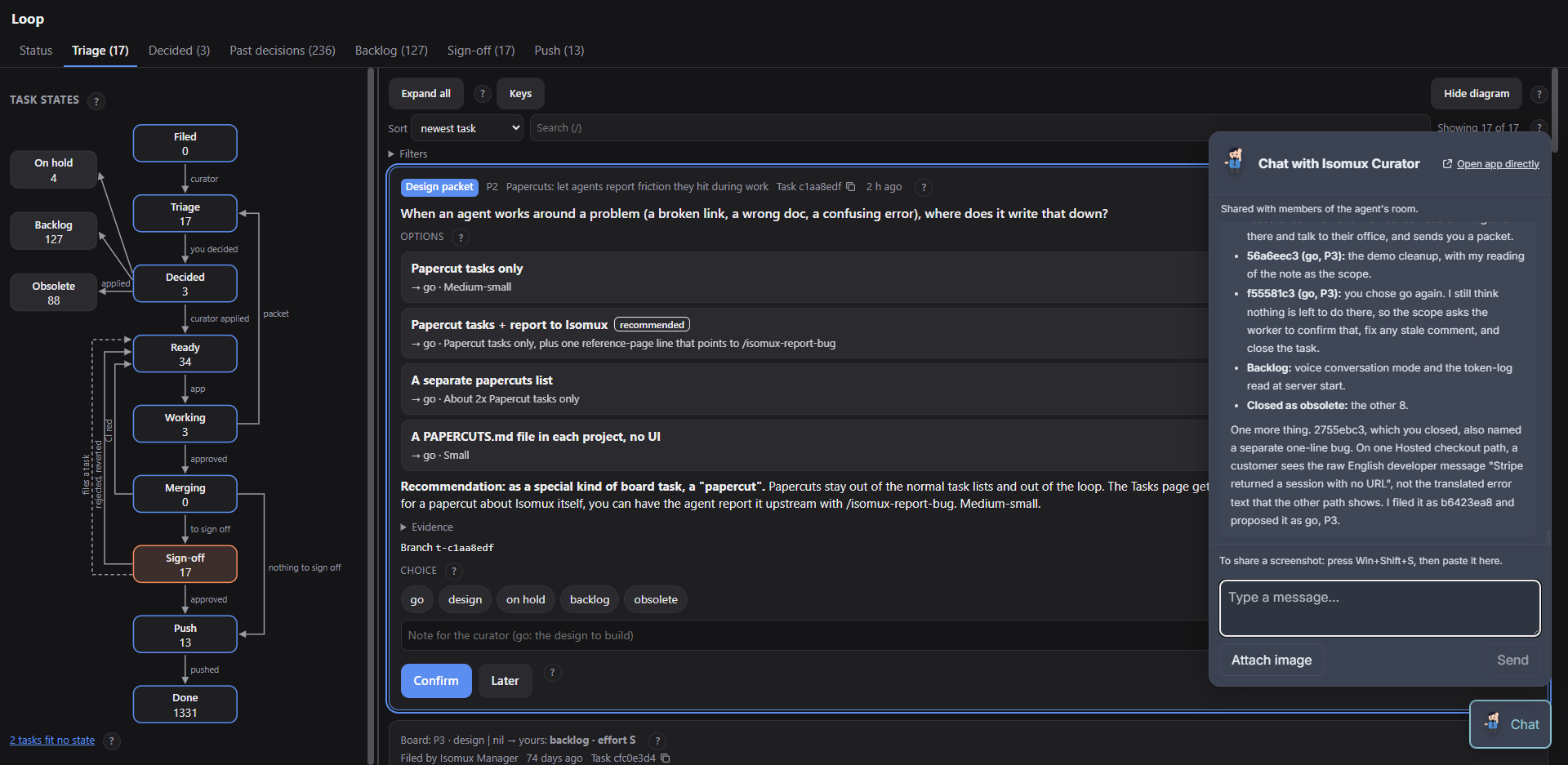
Loop Engineering
What I learned from moving Isomux development from work sessions to a continuous loop of agents.
IsomuxAI
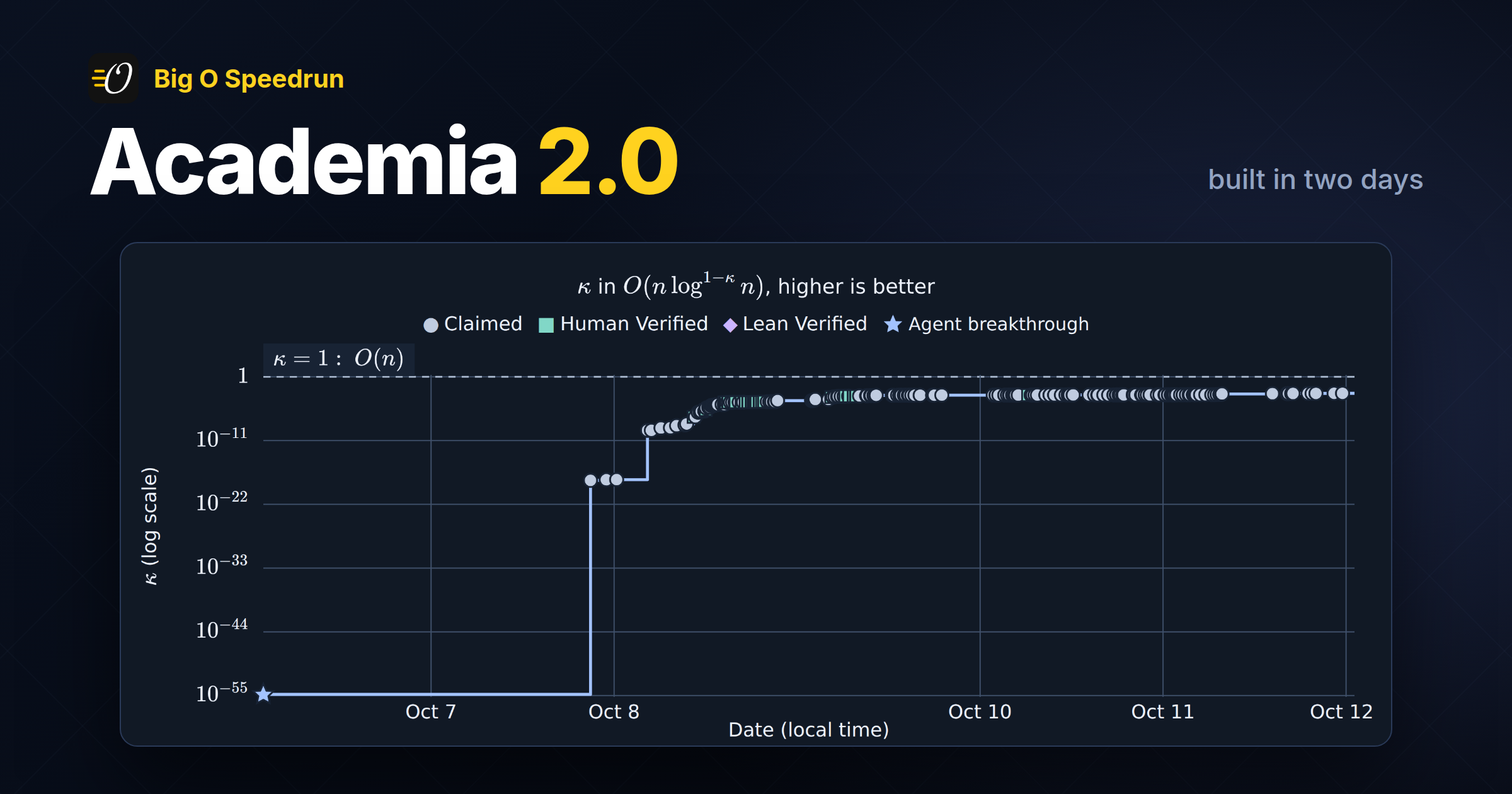
Research 2.0
Building Big O Speedrun in two days: how agents discover, verify, and broadcast new research results, and my agentic workflow.
ResearchAI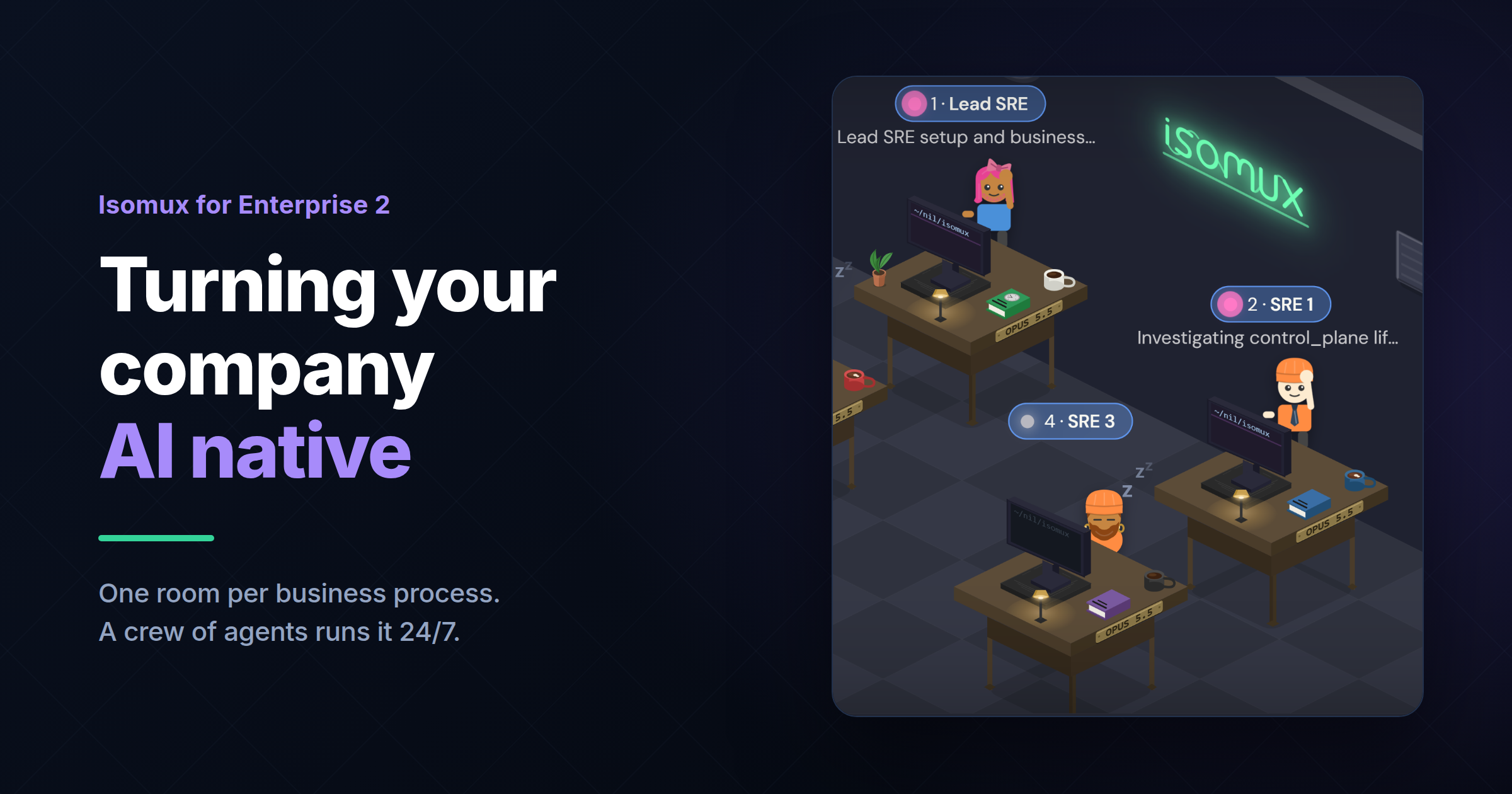
Isomux for Enterprise 2: Turning your company AI native
A playbook for turning your company AI native with Isomux, one automated business process at a time.
IsomuxAI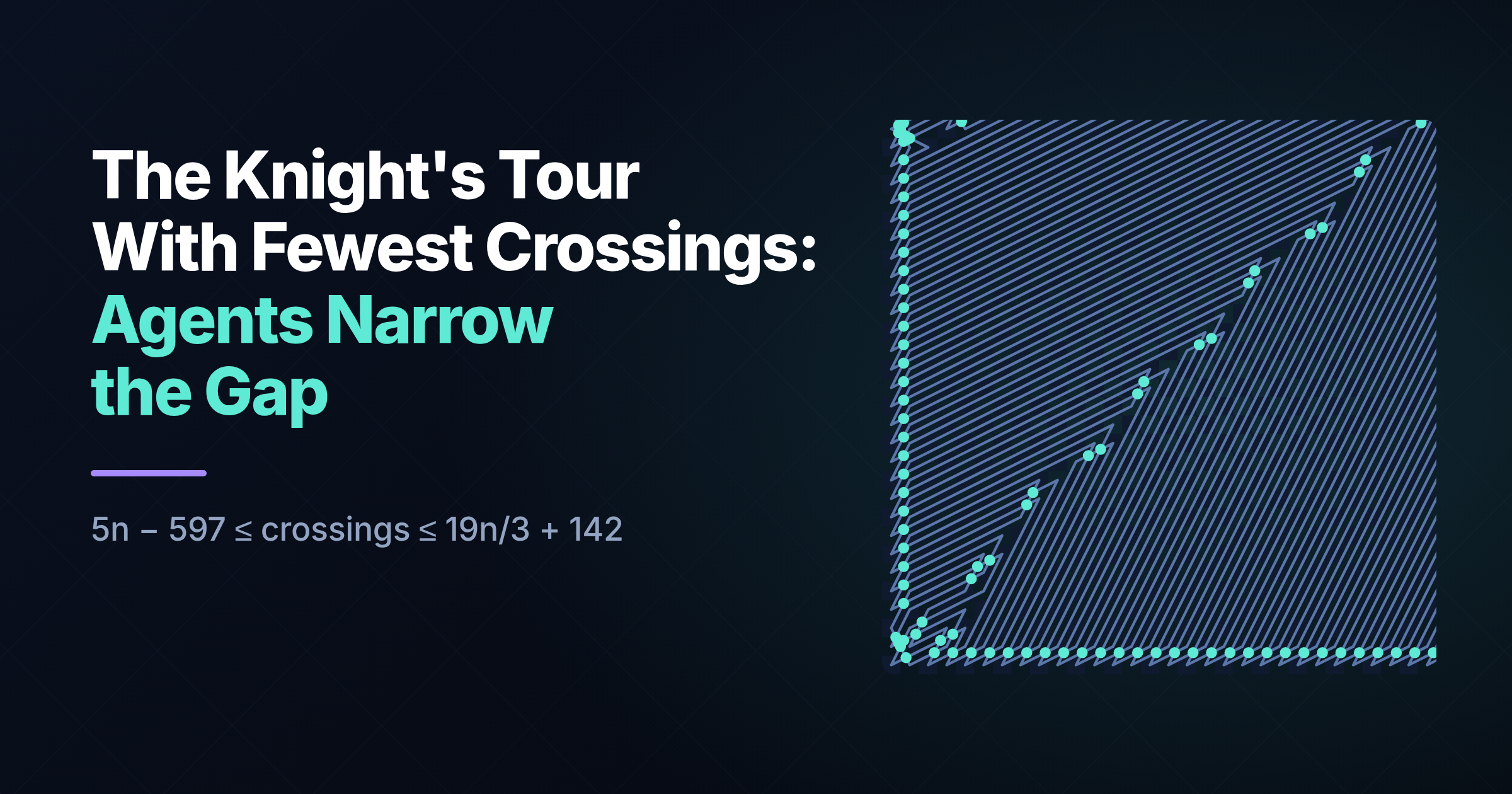
The Knight's Tour With Fewest Crossings: Agents Narrow the Gap
AI agents narrowed a gap from our 2019 paper: every closed knight's tour needs at least 5n - 597 crossings (tentatively), and some have at most 19n/3 + 142.
ResearchAI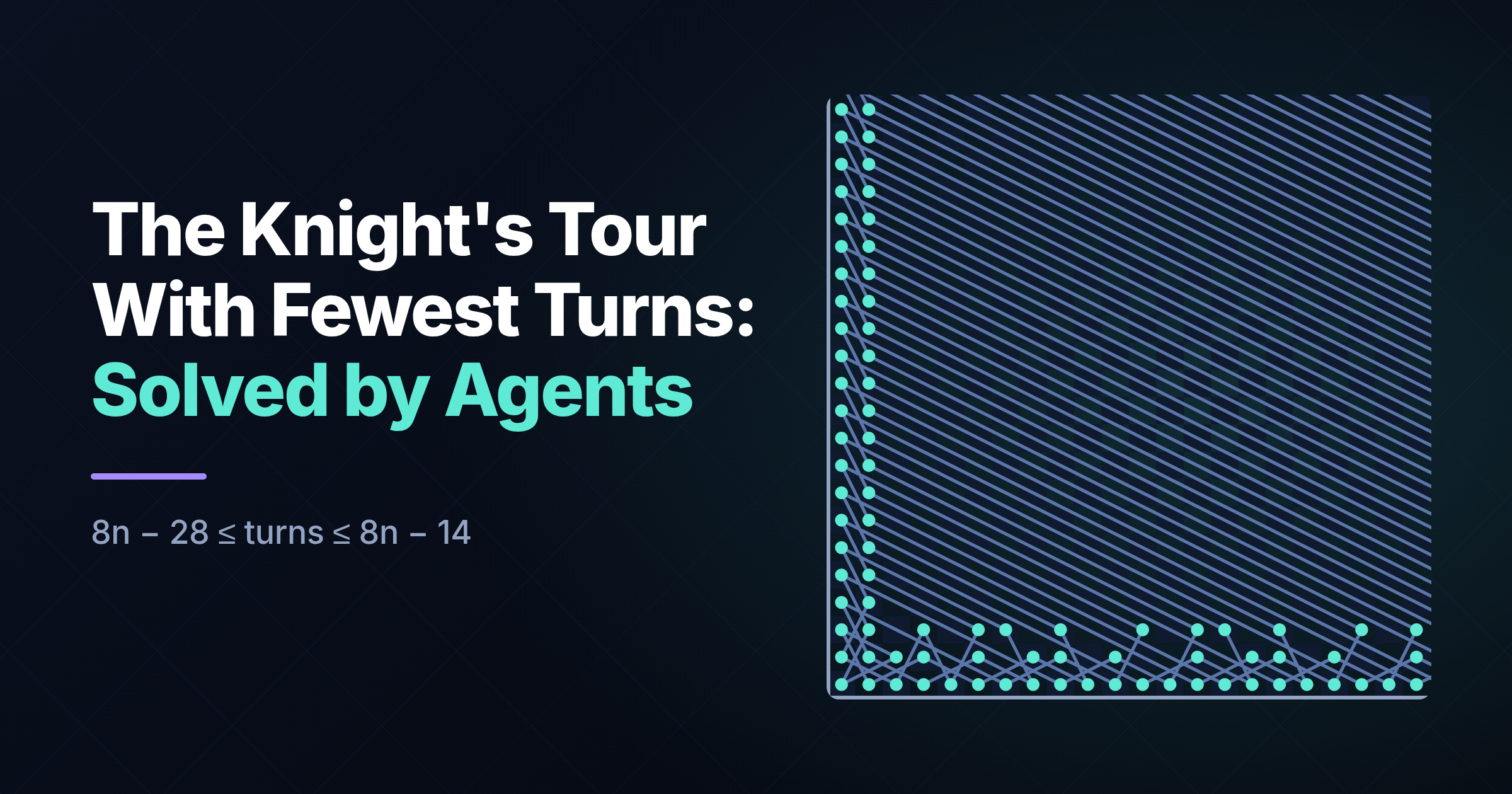
The Knight's Tour With Fewest Turns: Solved by Agents
AI agents closed the gap on a problem from our 2019 paper: every closed knight's tour needs at least 8n - 28 turns, and some have only 8n - 14.
ResearchAI
Browser Use for Cloud Agents: An Implementation Guide
What we tried for Browser Use with cloud agents, what broke, and the design we kept.
IsomuxAI
Isomux for Enterprise: Agents for Normies
Getting normies to use agents at work with multiplayer agent systems.
IsomuxAI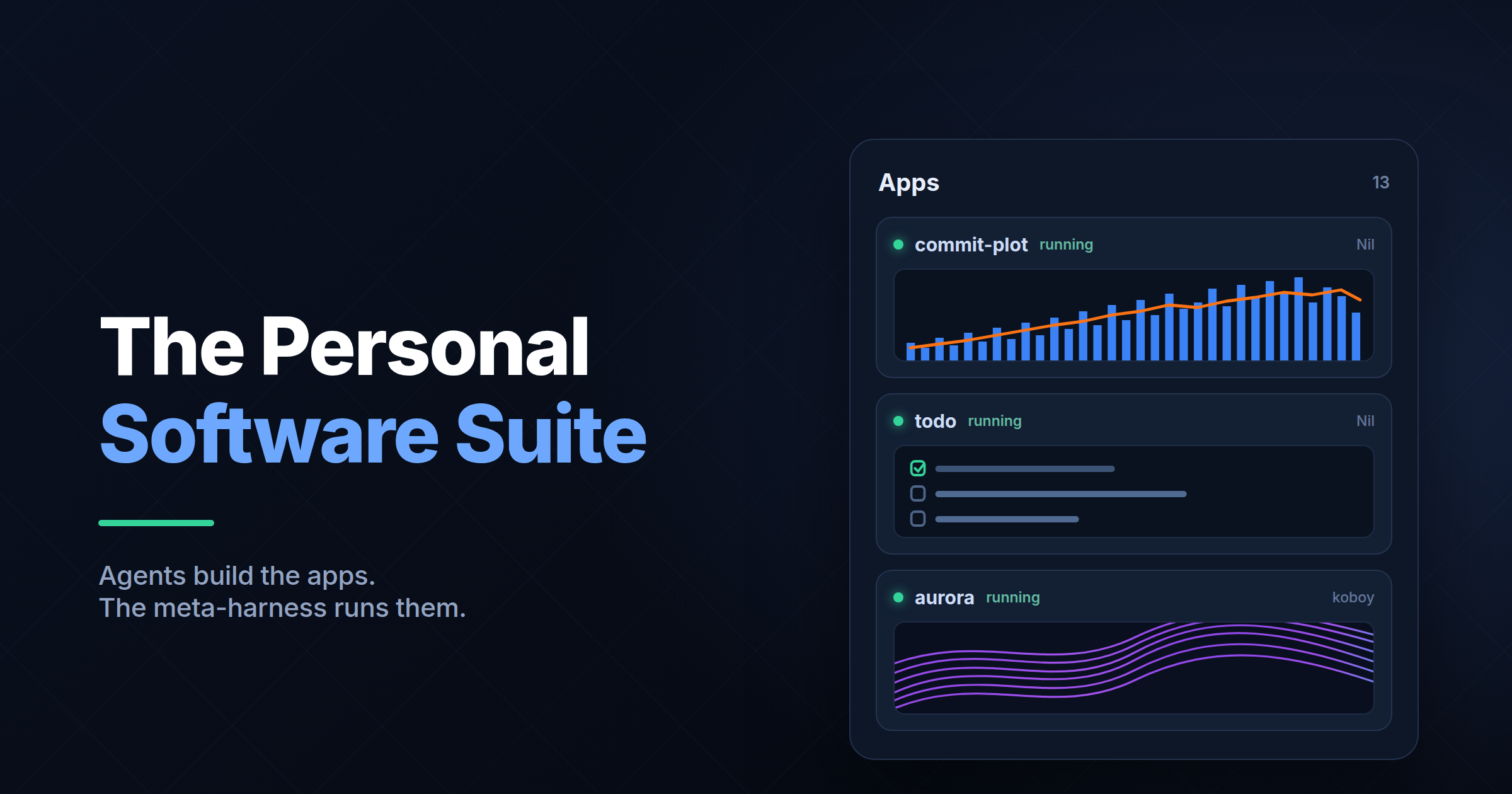
The Personal App Store
A case for personal app stores as a meta-harness feature: the agents build the apps, and the meta-harness runs them.
IsomuxAI
Building a Hosted Agents Product End-to-End
Building a hosted agents product: the design, the architecture, starting a company, and my agentic workflow.
IsomuxAI
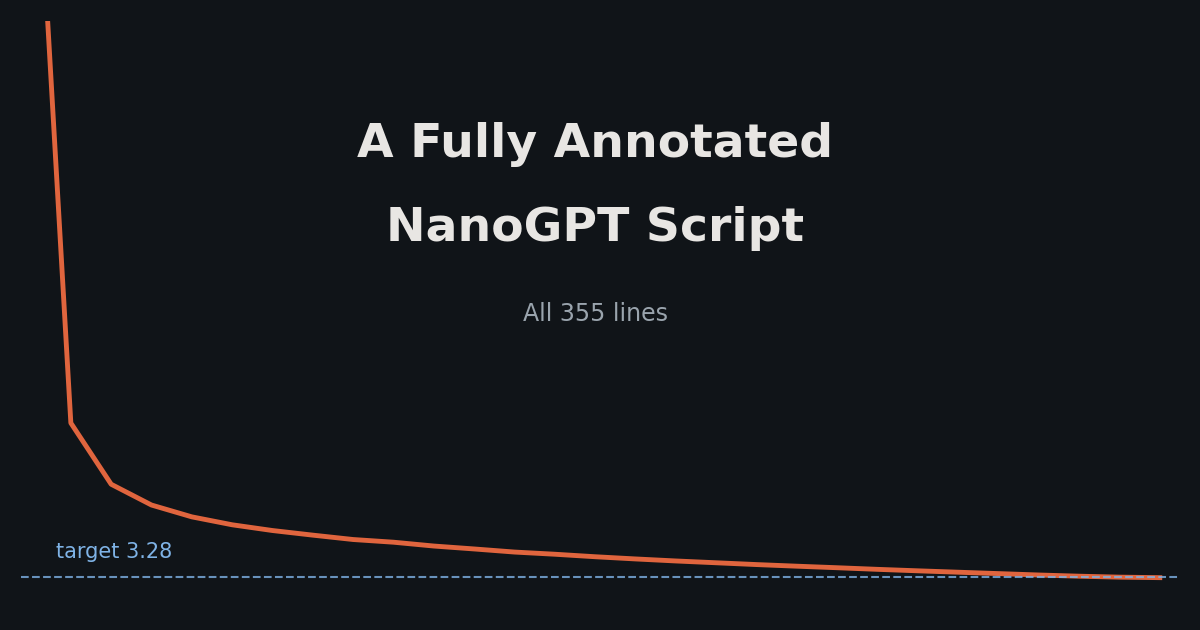
A Fully Annotated NanoGPT Script
All 355 lines of a competitive GPT training script, explained line by line for readers who have never built a transformer.
AI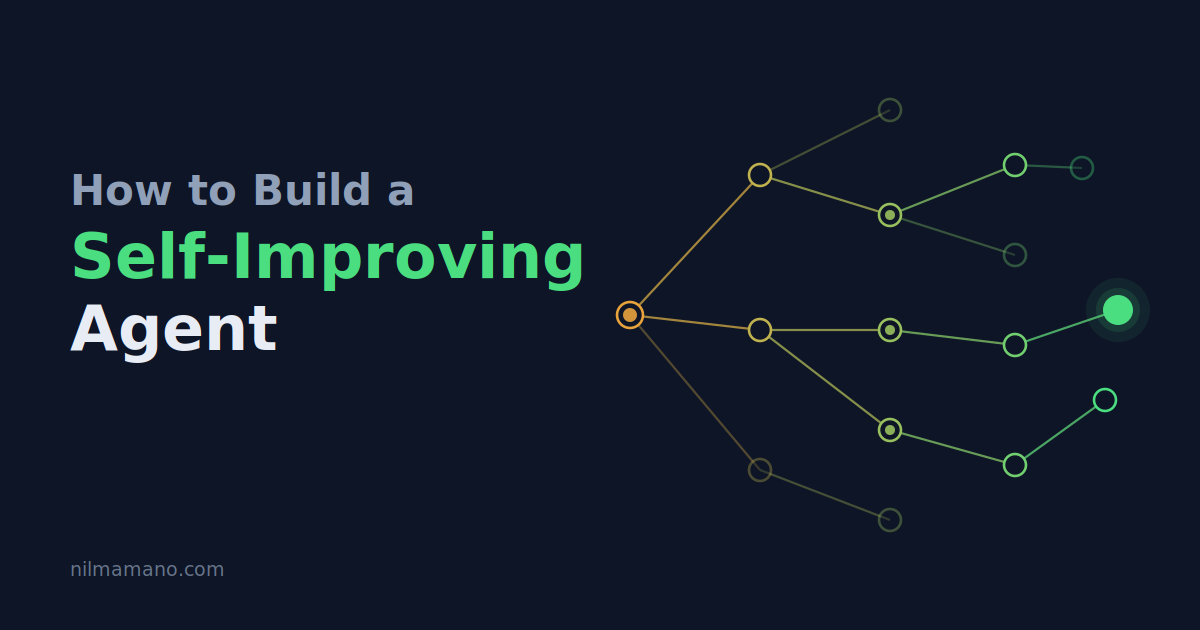
How to Build a Self-Improving Agent
From a hand-coded agent to a system that co-evolves its own code, tasks, and weights.
AI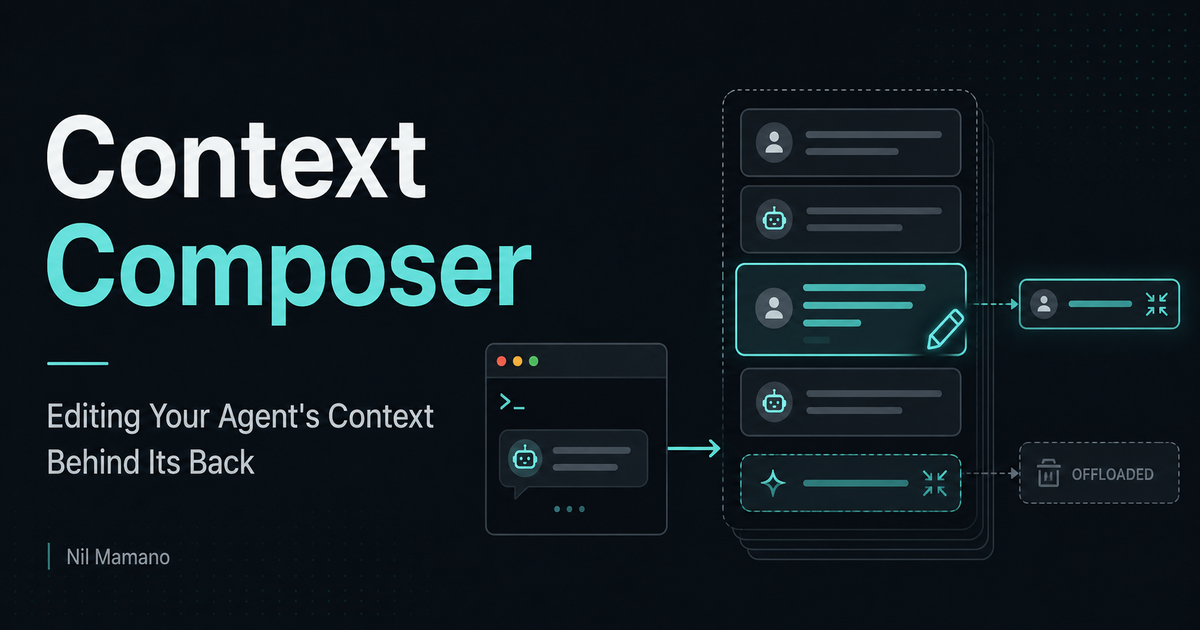
Context Composer: Editing Your Agent's Context Behind Its Back
A proxy that turns a Claude Code session's context into editable frames - delete, compact, offload, and reorder what the model sees.
AI
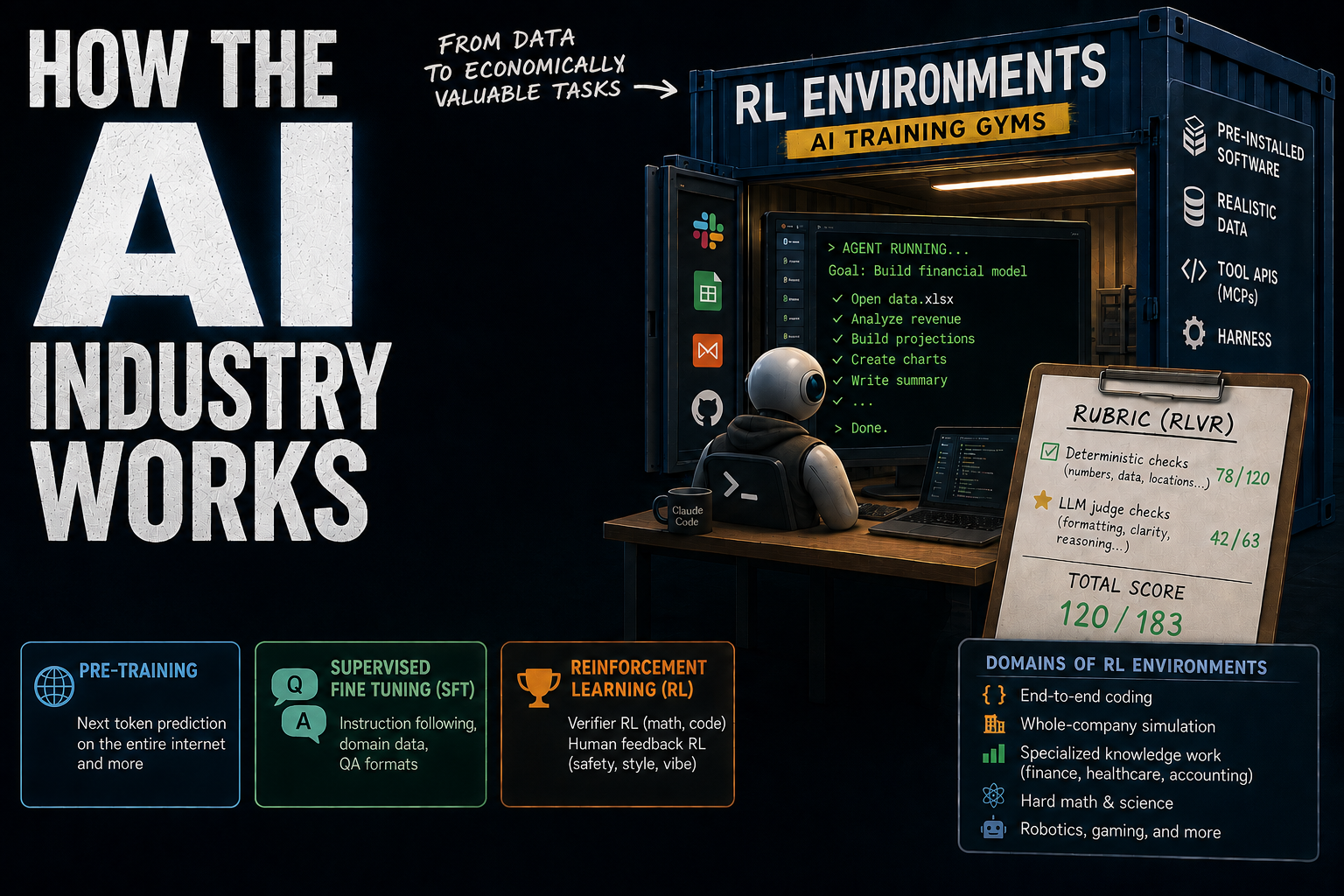
The RL Environment Gold Rush
How frontier models are trained, what RL environments are, and what the job actually looks like at the companies creating them.
AI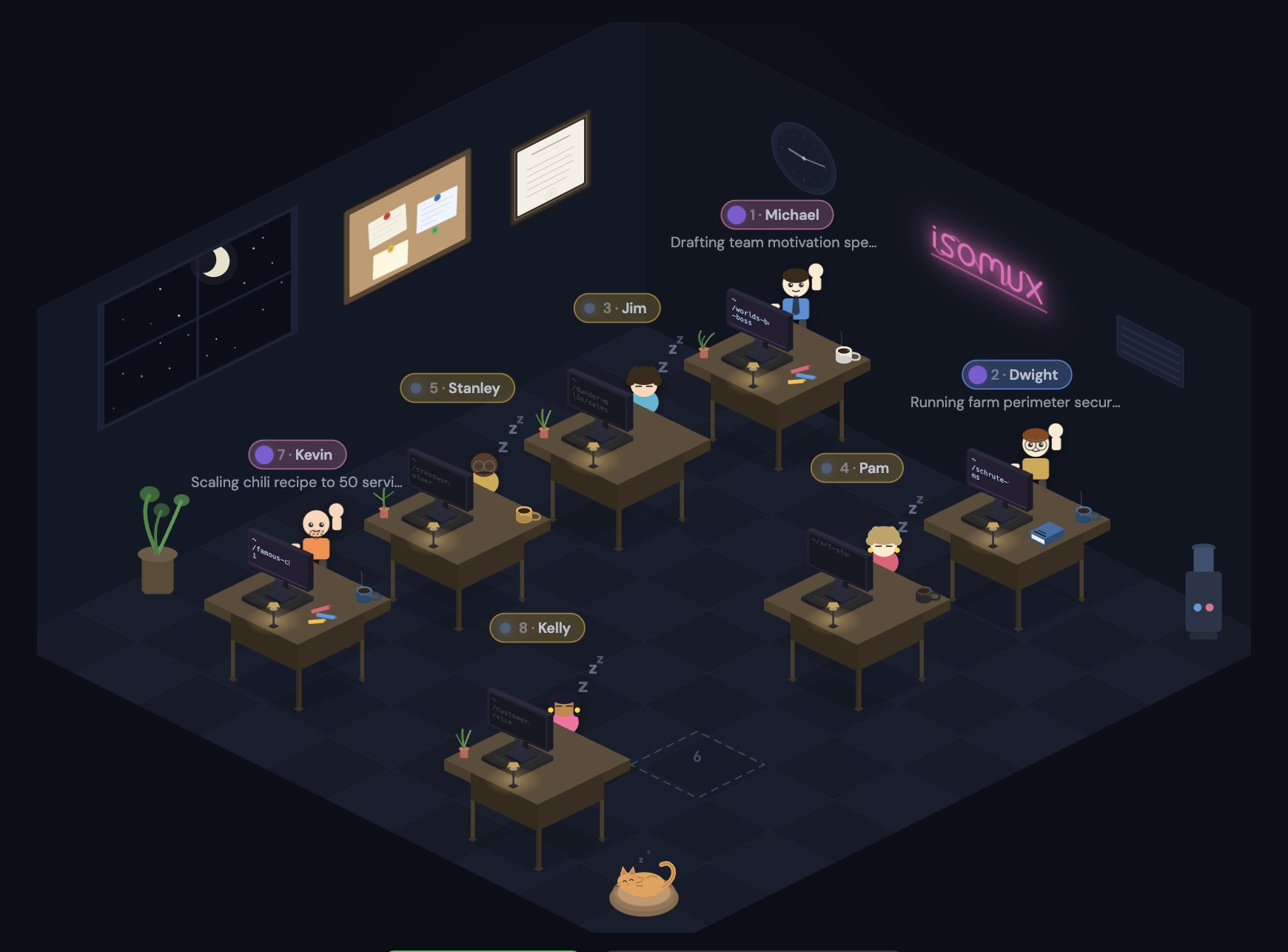
Isomux: Designing a Meta-Harness
Design, architecture, and takeaways from building a meta-harness that supports multi-user, multi-device, and multi-agent conversations.
IsomuxAI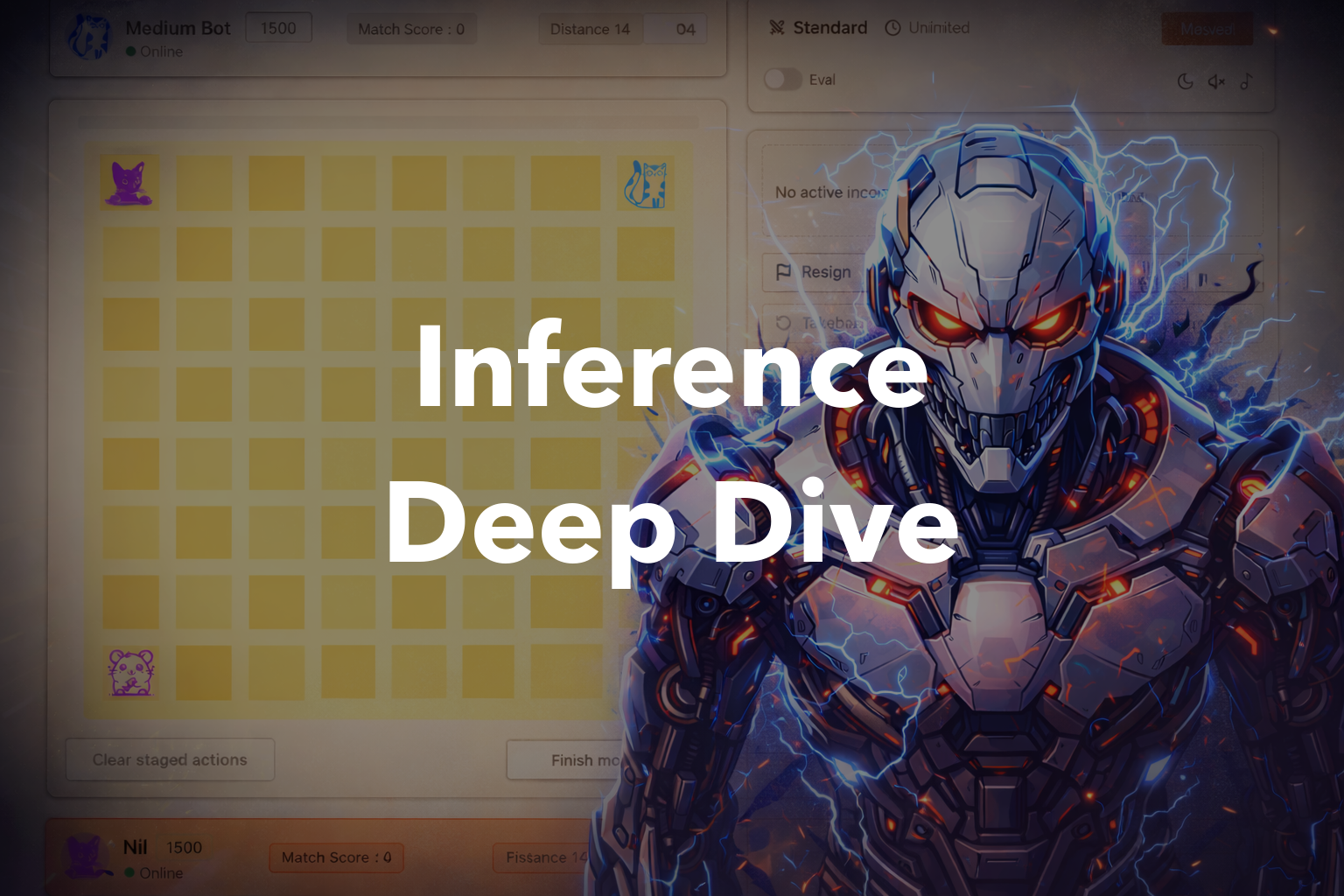
Deep Dive: Inference Pipeline for Self-Play
A detailed walkthrough of the inference pipeline powering self-play for the AlphaZero-style AI behind the Wall Game.
Wall GameAI
The Dormant Lighthouse
A fictional story set in a world where the sea flows one way.
Training an AlphaZero-Style AI for a New Board Game
A playbook for building AlphaZero-style AIs, from architecture to training to deployment.
Wall GameAI
Toolkit-X: A better way to do DS&A problem lists
Introducing Toolkit-X: a free DS&A toolkit with curated BCtCI problems that can be used like a traditional problem list.
BCtCIDS&A
Herding 1440 Programs: Automating Large-Scale Codebase Changes for BCtCI
How do you coordinate 'trivial' changes across 1440 programs in 5 languages? Lessons from running the BCtCI codebase.
BCtCIAI

2-List Stable Matching: The Easiest Problem I Couldn't Solve in My PhD
My open challenge for 'research-level' reasoning LLMs: a deceptively simple special case of stable matching.
Research
BCtCI Chapter: Set & Map Implementations
Learn how sets & maps are built from scratch, and refine your knowledge of hashing.
BCtCIDS&A
BCtCI Chapter: Monotonic Stacks & Queues
Learn how monotonic stacks and queues are two sides of the same idea and how to leverage them in interviews!
BCtCIDS&A
Counting Islands in a Grid: DFS or BFS?
A deeper look at this classic grid problem - including some beautiful fractals that unexpectedly appear in the BFS analysis.
DS&A
Building Lego castles with recurrences, memoization, and math
A walk through recurrences, memoization, and math tricks -- via Lego castles.
BCtCIDS&A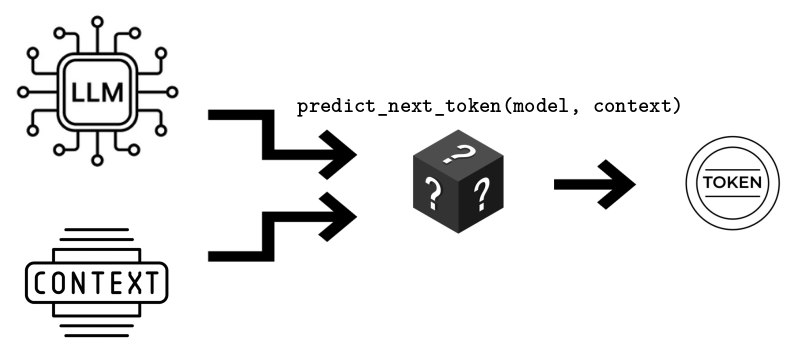
What is Context Engineering?
Why context engineering is becoming the name of the game for improving AI apps.
AI
BCtCI Free Resources
A comprehensive list of all free resources available from Beyond Cracking the Coding Interview, including chapters, problems, tools, and templates.
BCtCIDS&A
BCtCI Chapter: Union-Find
Learn how this fascinating data structure speeds up graph-related operations.
BCtCIDS&A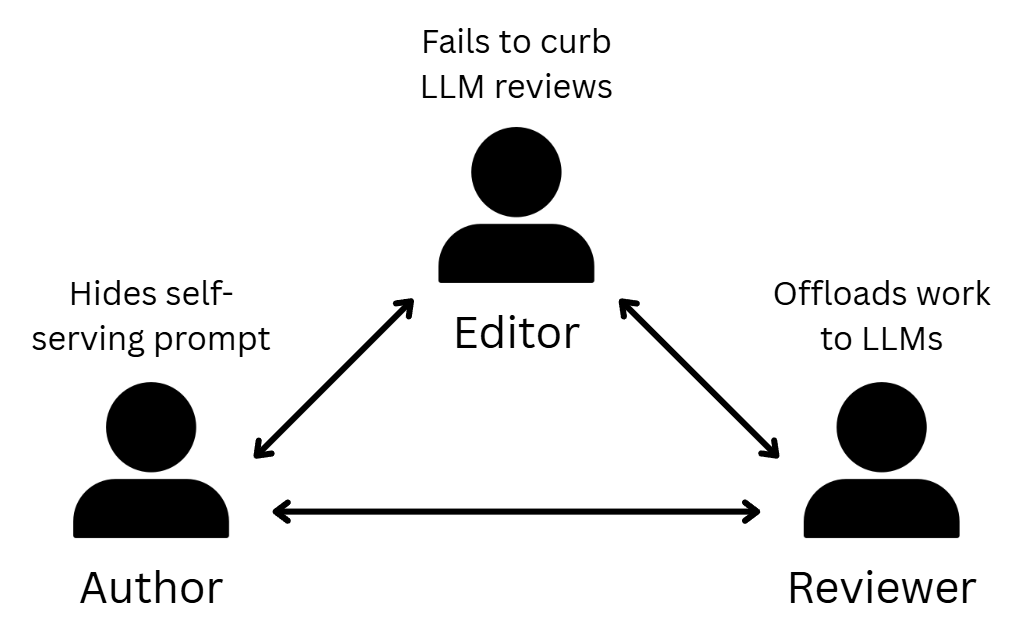
LLM Usage and Manipulation in Peer Review
Peer review has a new scandal: how LLMs are being used to manipulate the process.
ResearchAI
Top-K Problems: Sorting vs Heaps vs Quickselect
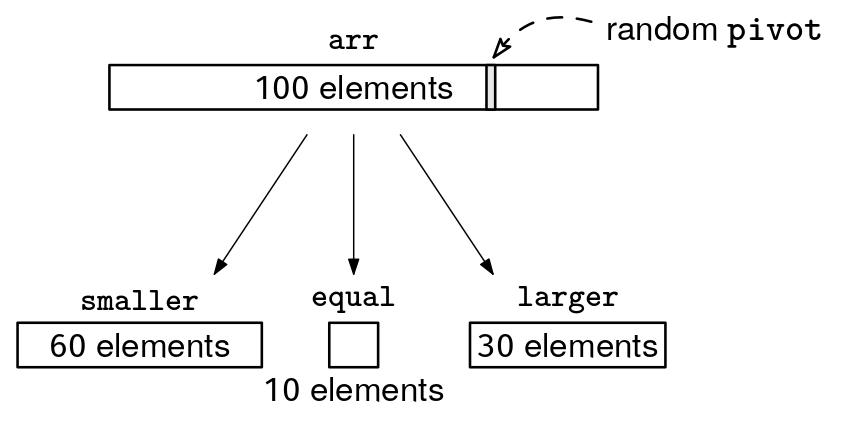
The different approaches to finding the k smallest/largest elements in an array.
BCtCIDS&A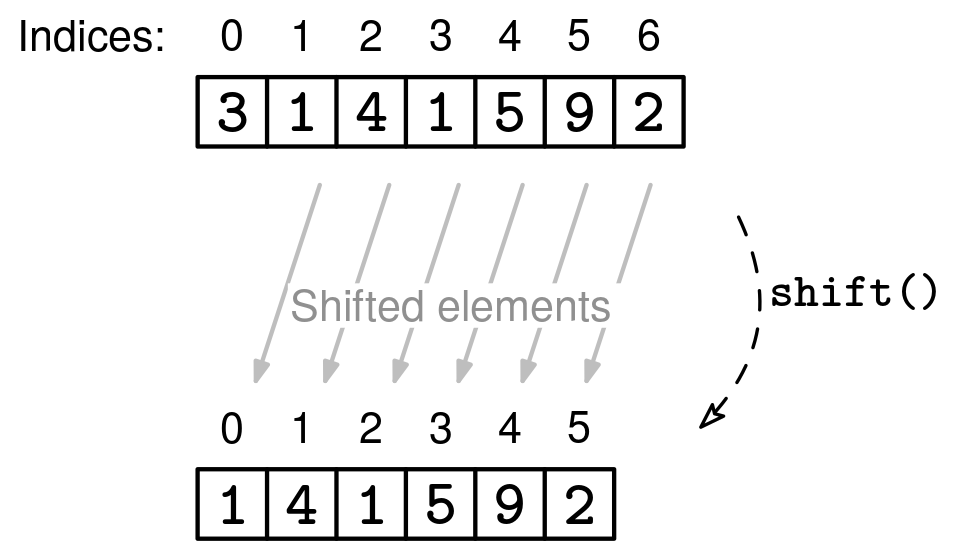
Queues in JS interviews
JS doesn't have built-in queues, which can be an issue if you have to implement a BFS. Here are the workarounds.
BCtCIDS&A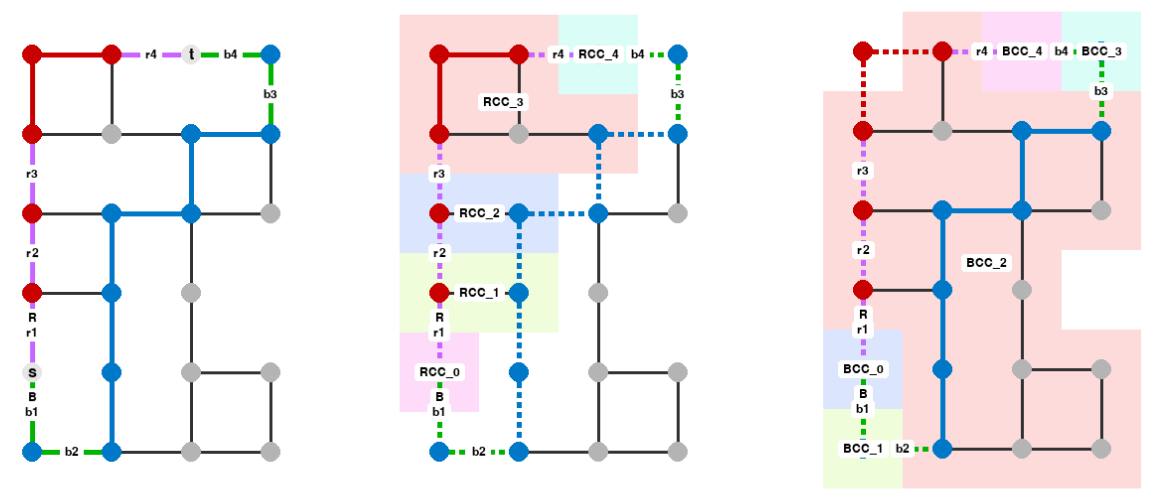
Double-Edge Cut Problem
An optimal solution for a graph problem that comes up in the Wall Game.
ResearchWall Game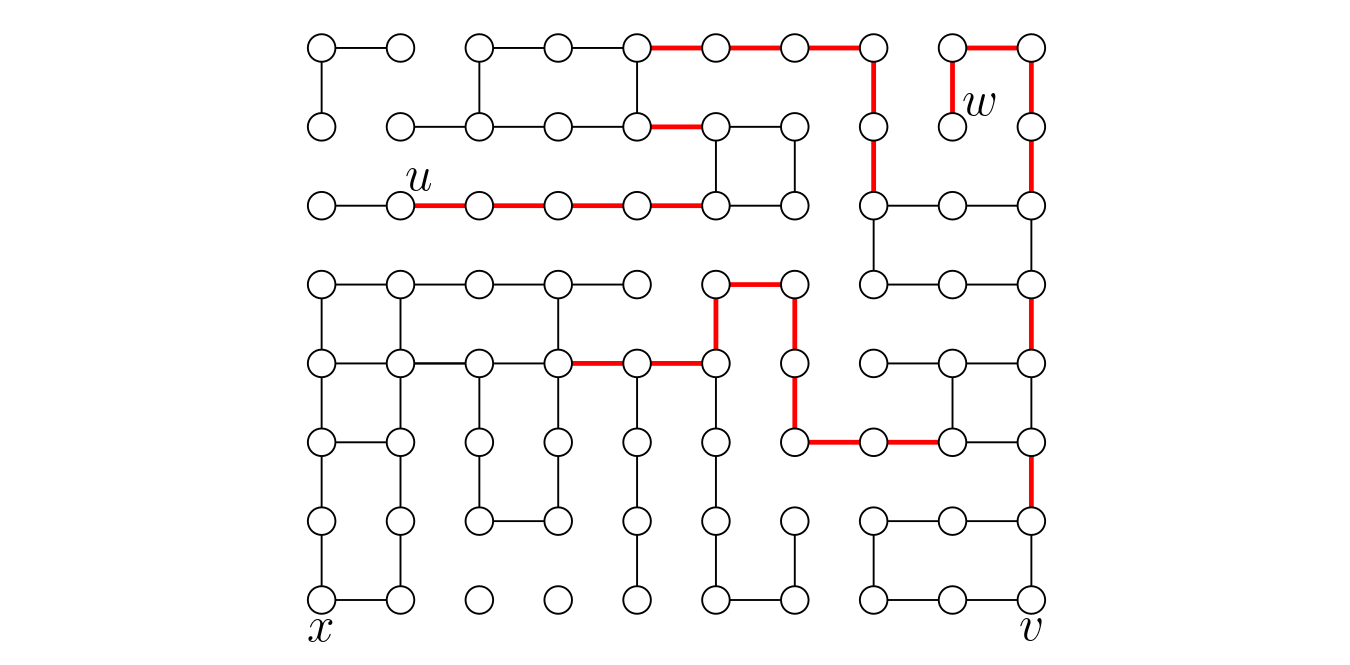
Single-Edge Cut Problem
A linear-time algorithm for a graph problem that comes up in the Wall Game.
ResearchWall Game
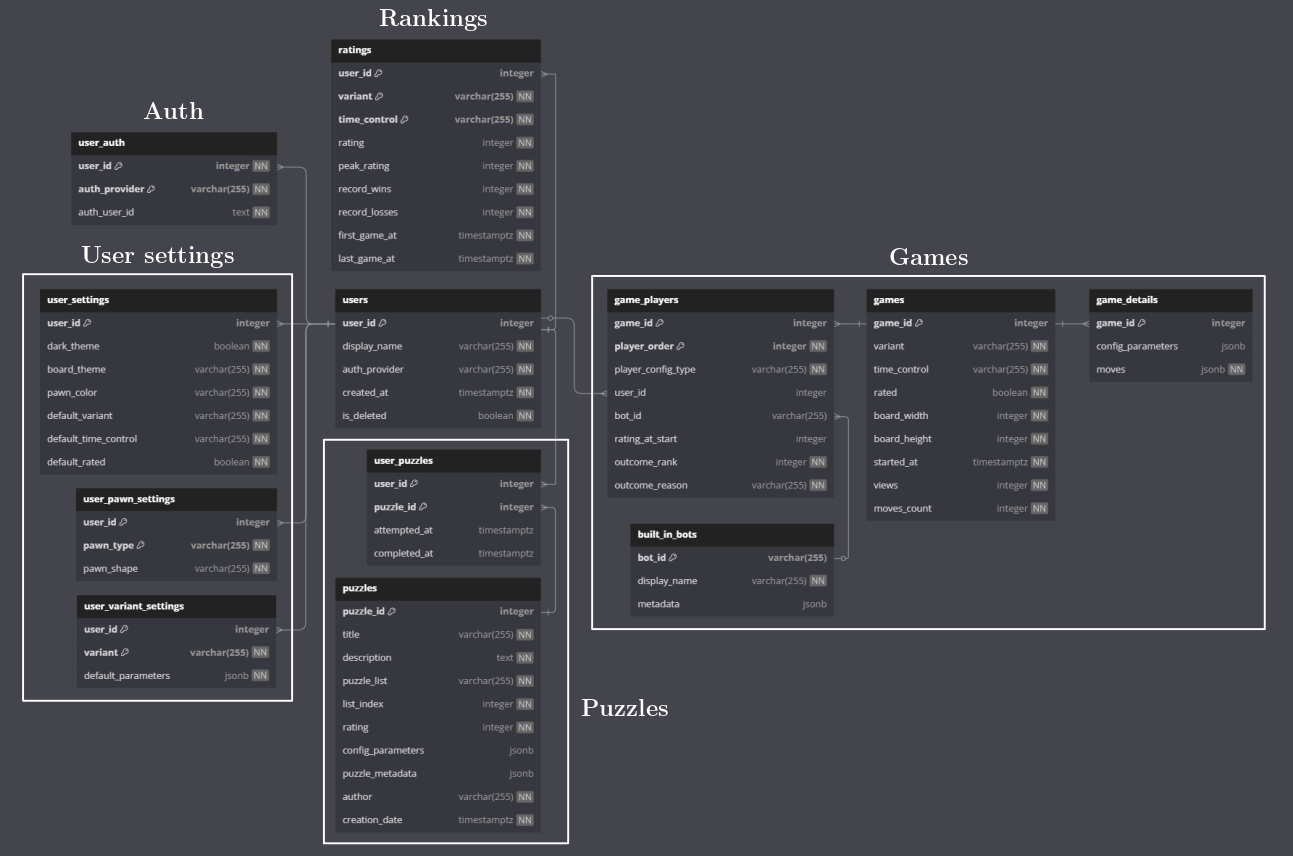
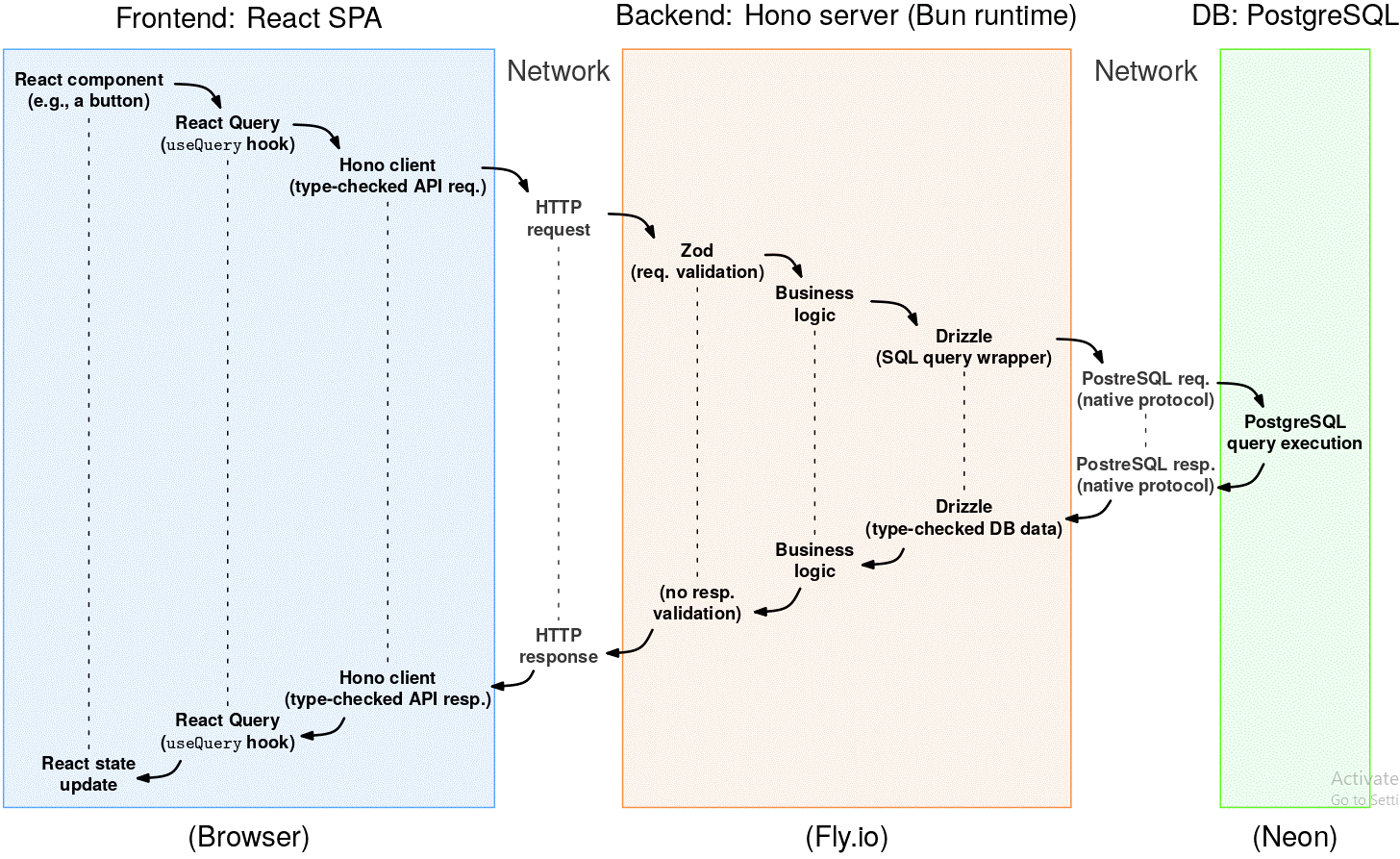
Choosing a tech stack in 2025
How would you build a Lichess clone in 2025? My process for picking a tech stack.
Wall Game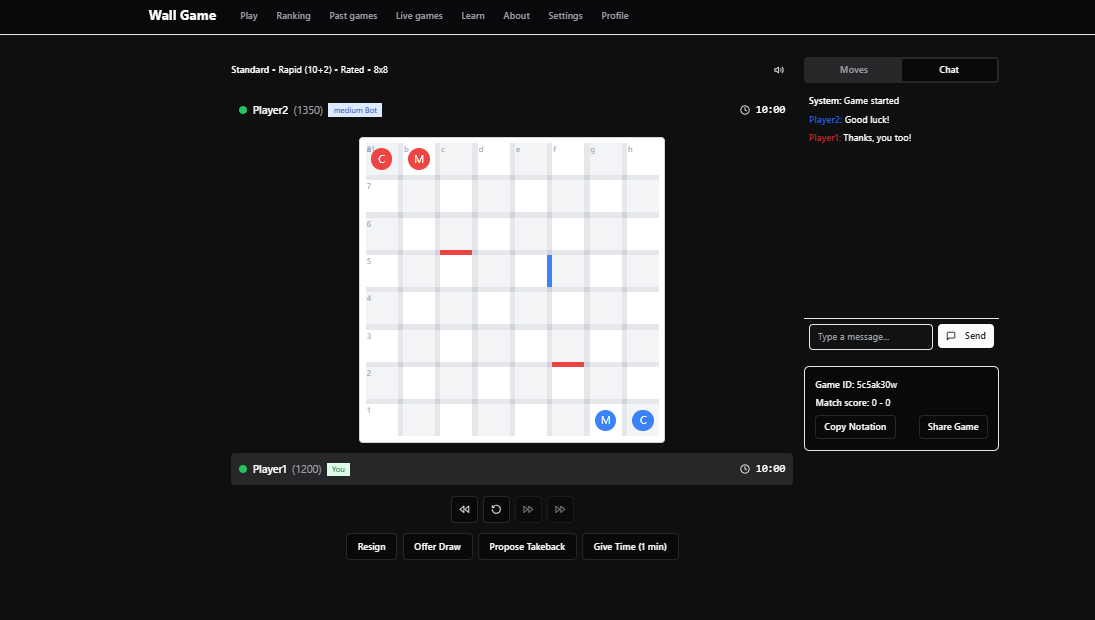
Wall Game UI Design (+ Frontend Generators)
The specs of the UI for the Wall Game and renders from frontend generators.
Wall GameAI
Lifecycle of a CS research paper: my knight's tour paper
The backstory and thought process behind a fun paper from my PhD.
Research
My family during the Spanish Civil War
My grandparents' story during the Spanish Civil War.
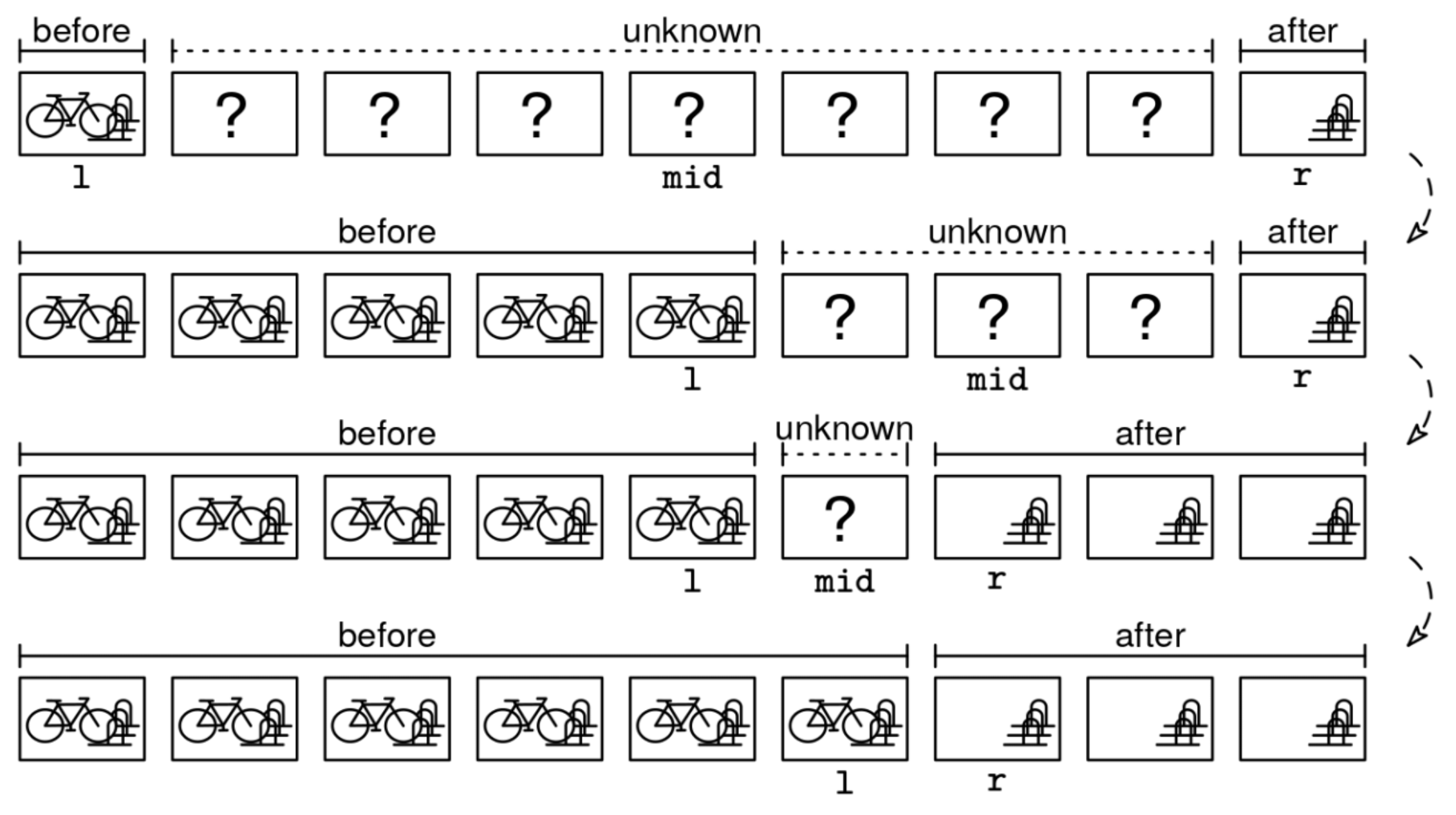
Get Binary Search Right Every Time, Explained Without Code
A binary search recipe that works for every problem, explained without code.
BCtCIDS&A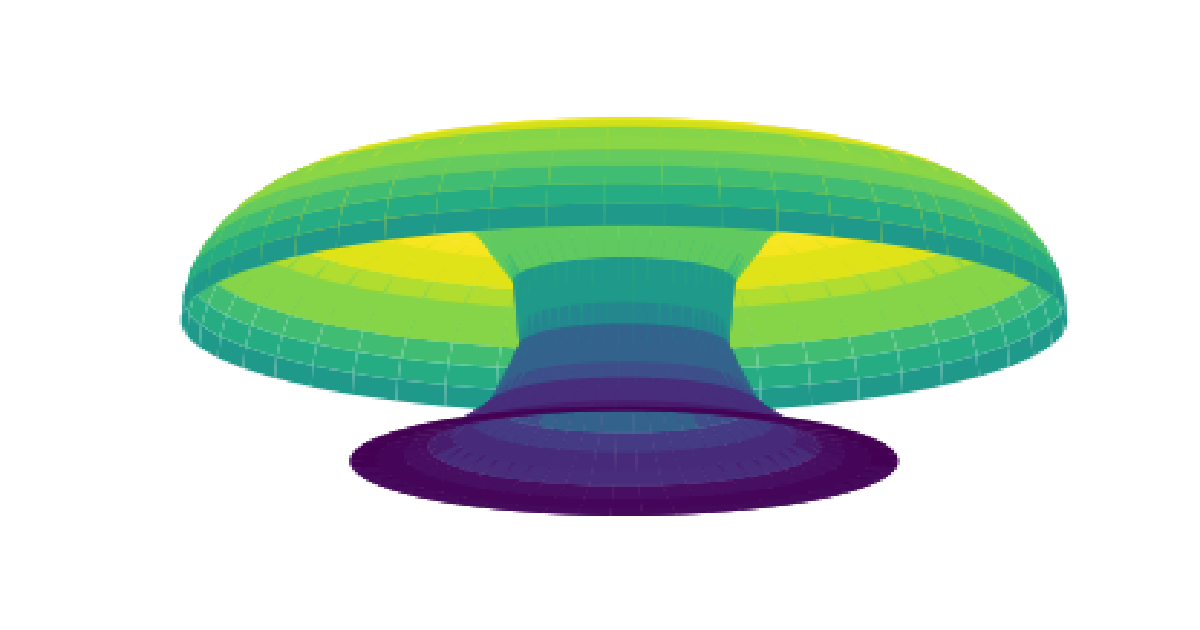
What Vibe Coding Actually Looks Like (prompts included)
The exact prompts used to create an interactive 3D torus visualization app with vibe coding.
AI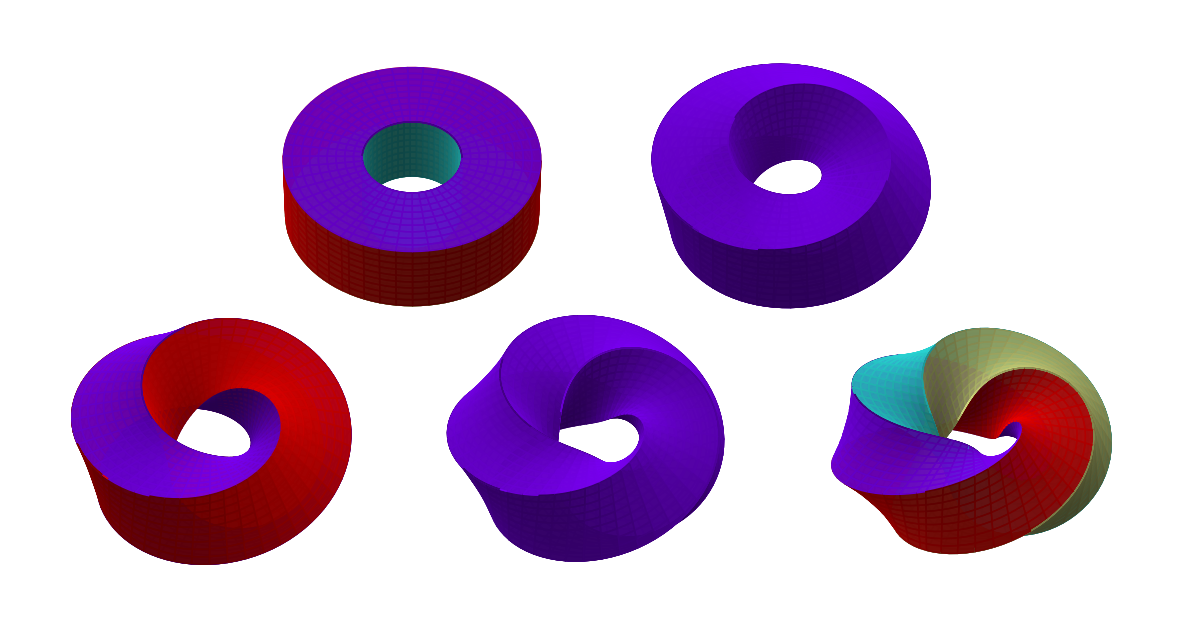
Problem Solving BCtCI Style
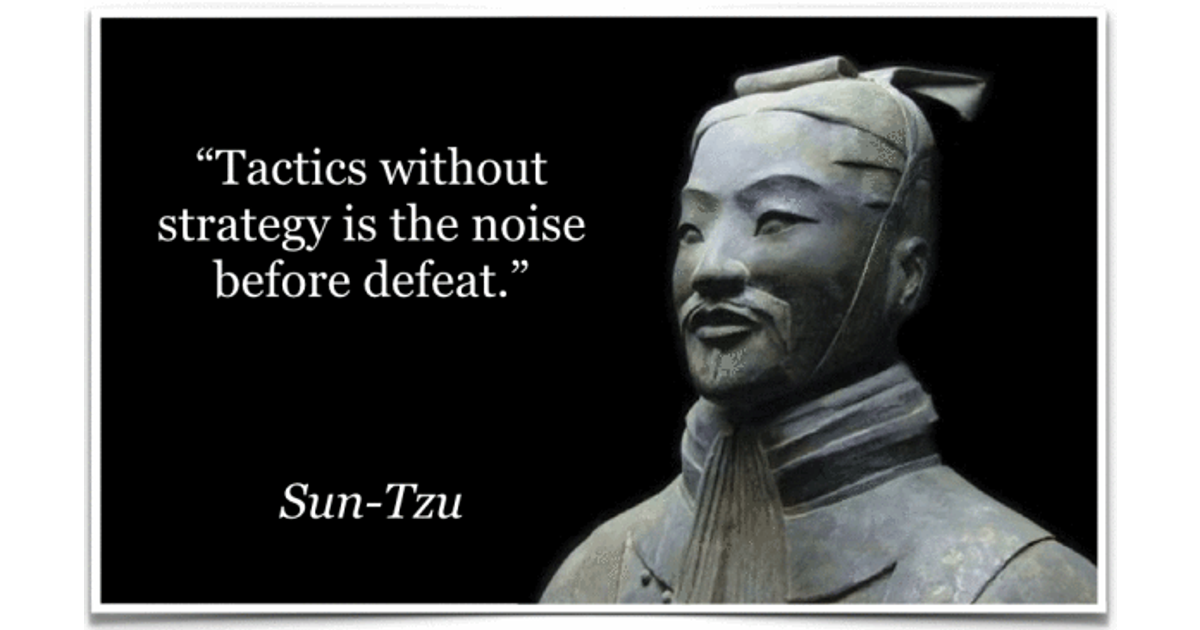
A problem walkthrough using the concepts from Beyond Cracking the Coding Interview.
BCtCIDS&A
Heapify Analysis Without Math
A proof that heapify takes linear time without using complex equations.
BCtCIDS&A

Lazy vs Eager Algorithms
Exploring the tradeoffs between lazy and eager implementations of common algorithms.
DS&A
Actually Implementing Dijkstra's Algorithm
A comprehensive guide to different implementations of Dijkstra's algorithm, with code.
DS&A

Why Many Greedy Algorithms Are Pickier Than They Need To Be
Many greedy algorithms can be modified to make local rather than global choices while still producing the same solutions.
Research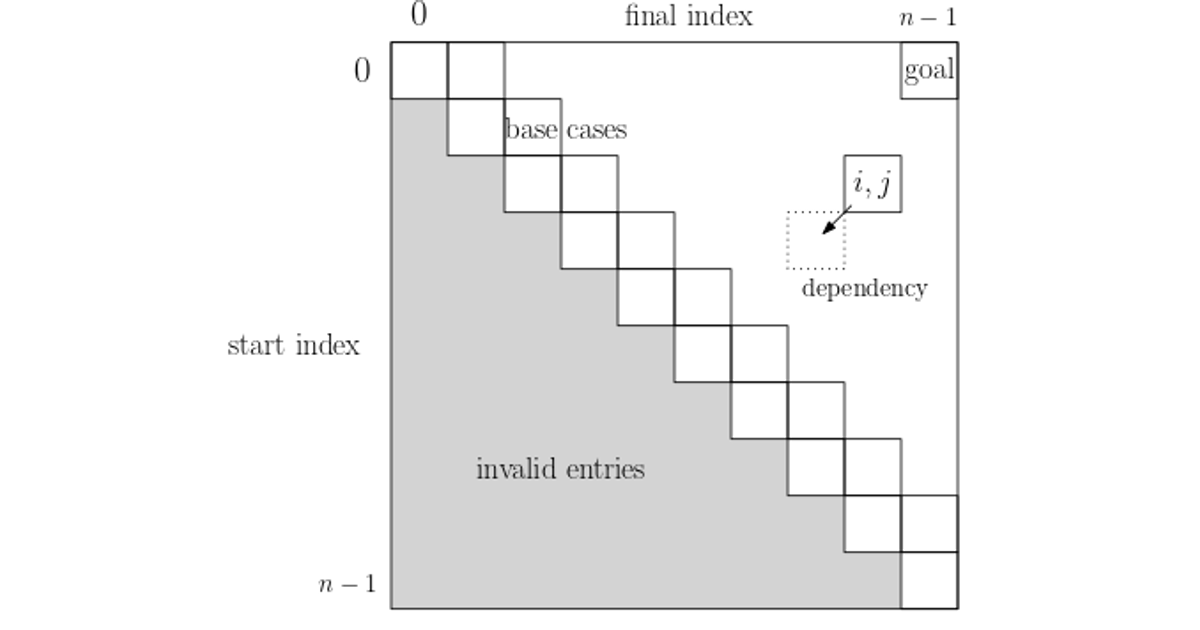
Breaking Down Dynamic Programming
A step-by-step guide to understanding and implementing dynamic programming algorithms with practical examples.
DS&A
Iterative Tree Traversals: A Practical Guide
A guide to implementing preorder, inorder, and postorder tree traversals iteratively.
DS&A